

If all you have is a hammer, everything looks like a nail (A. Maslow – The Psychology of Science, 1966)
In the 1970s, metal frames production was strictly dictated by the use of the alignment jig. When carbon fiber composite entered the industry, early manufacturing simply adapted the new material to existing tooling. Pre-cured carbon tubes were sectioned and bonded at junctions, initially with metallic or composite lugs, and later evolving into the tube-to-tube overwrapping process pioneered in the late 1980s. While this approach provides custom geometry, it puts some design constraints and does not properly exploit the carbon fiber potential.
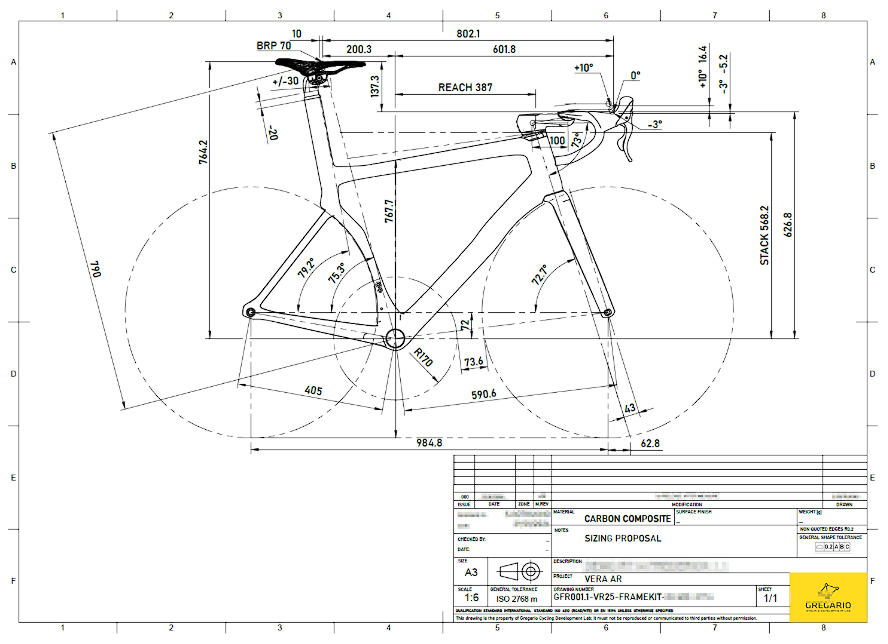
Conversely, modern monocoque manufacturing through molds unlocked total aerodynamic and structural design freedom, but forced the industry into the compromise of standard sizing (one mold for each size). The marketing did the rest, “brainwashing” the riders community that a handfull of standard sizes is enough to fit 8 billion people on earth.
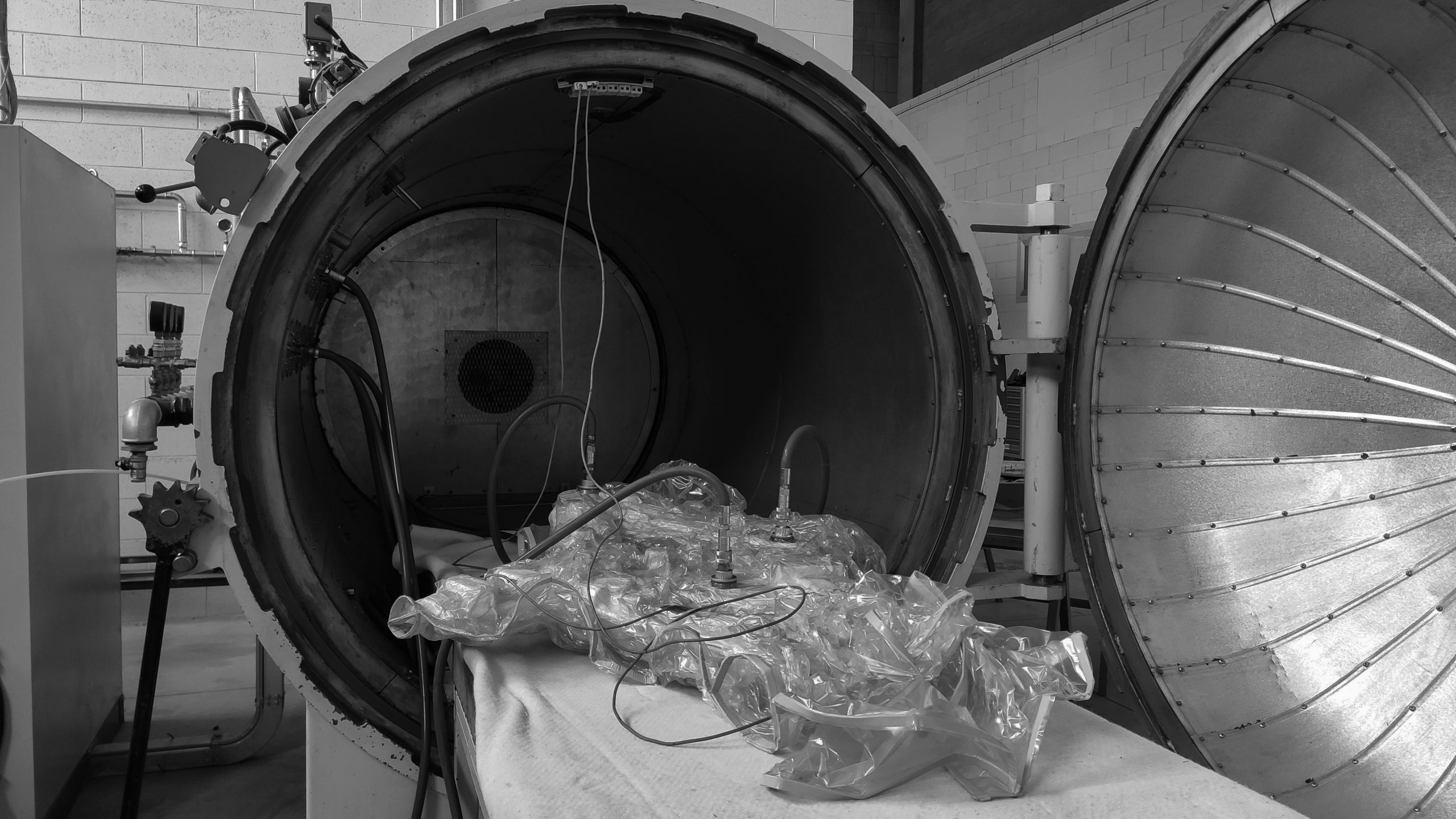
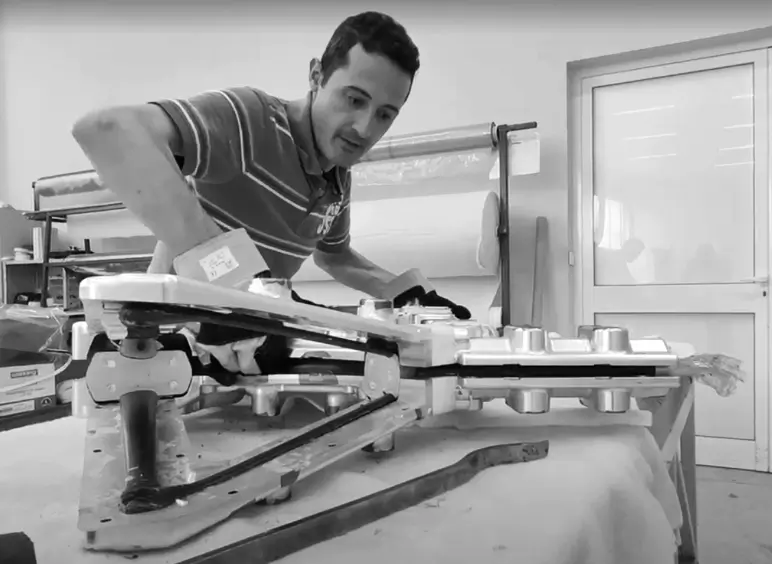
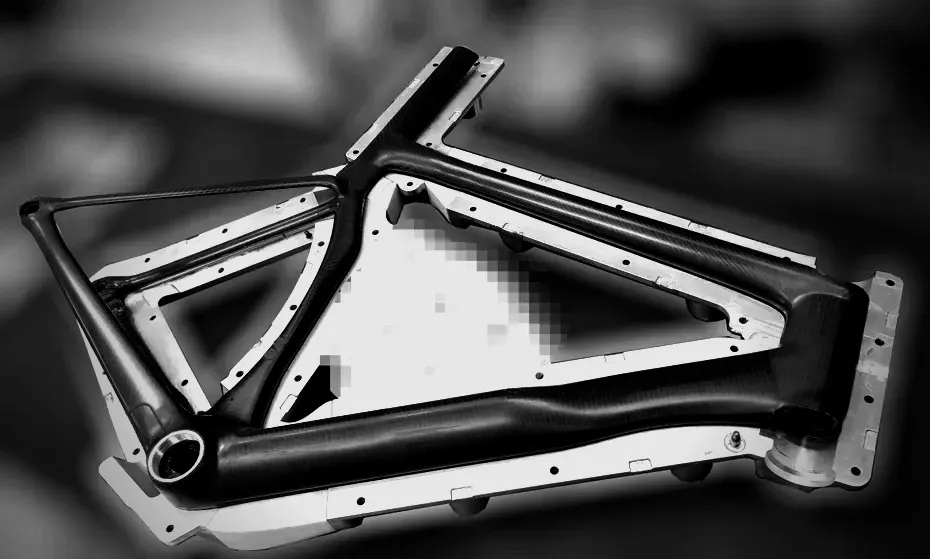
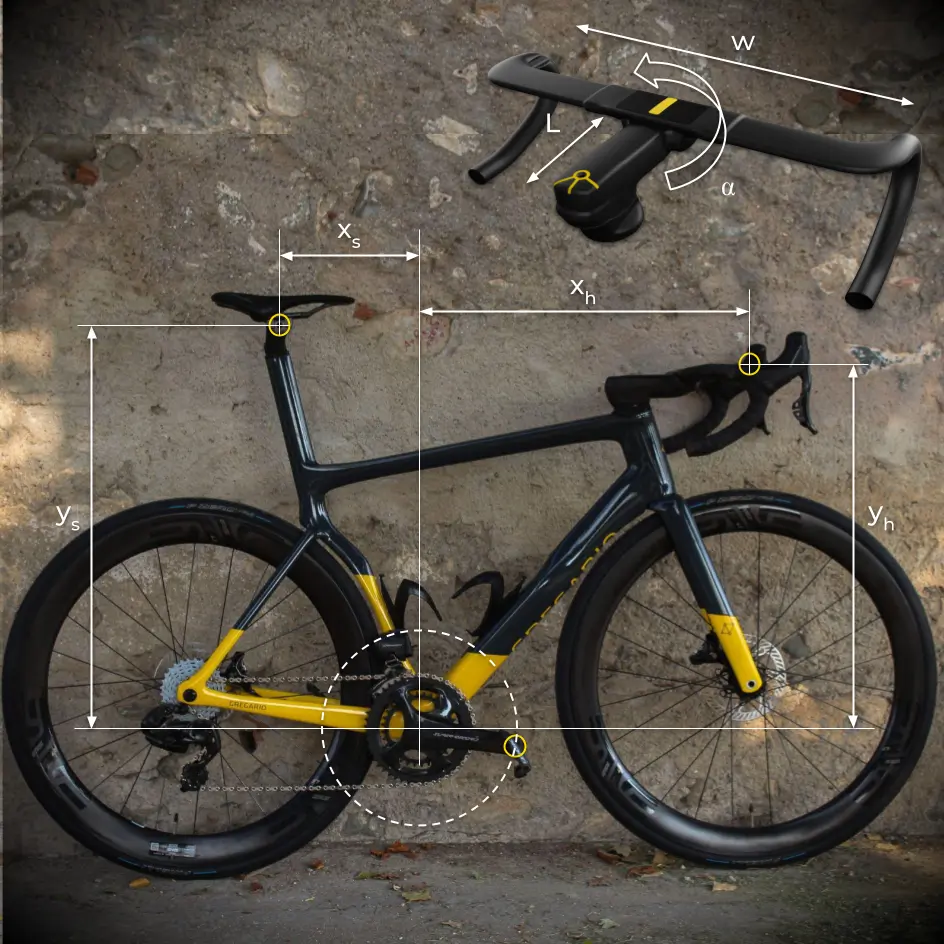
In 2017, founder Salvatore Botrugno initiated a fundamental shift in custom composite engineering by patenting a variable-geometry modular mold and starting to develop the process alongside co-founder Paolo Baldissera. At the end of 2019 Gregario was then established to continue the R&D process and resolve this historic dichotomy. Our adaptive mold operates with the positioning agility of a structural jig while preserving the uncompromised mechanical continuity and the single-stage autoclave polymerization of a true full-monocoque system.
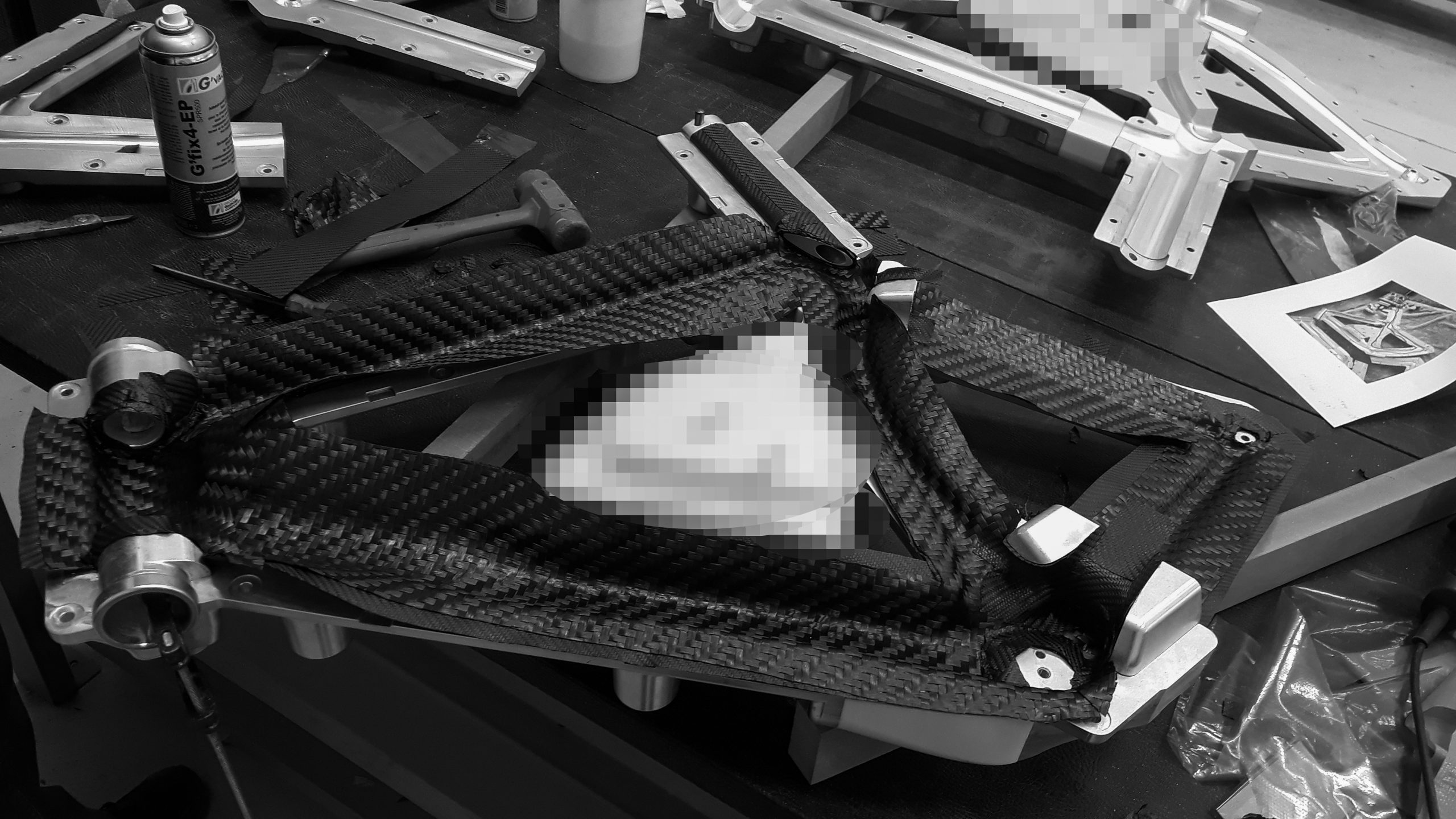
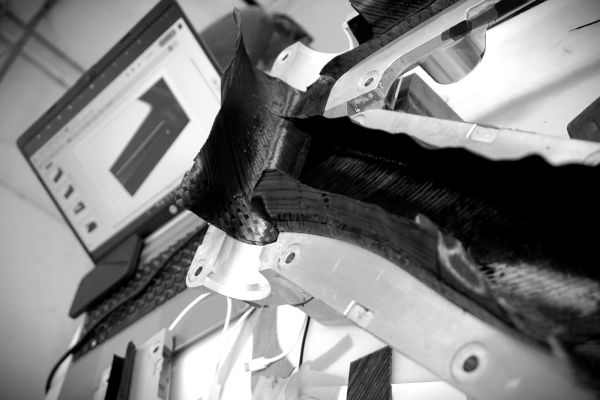
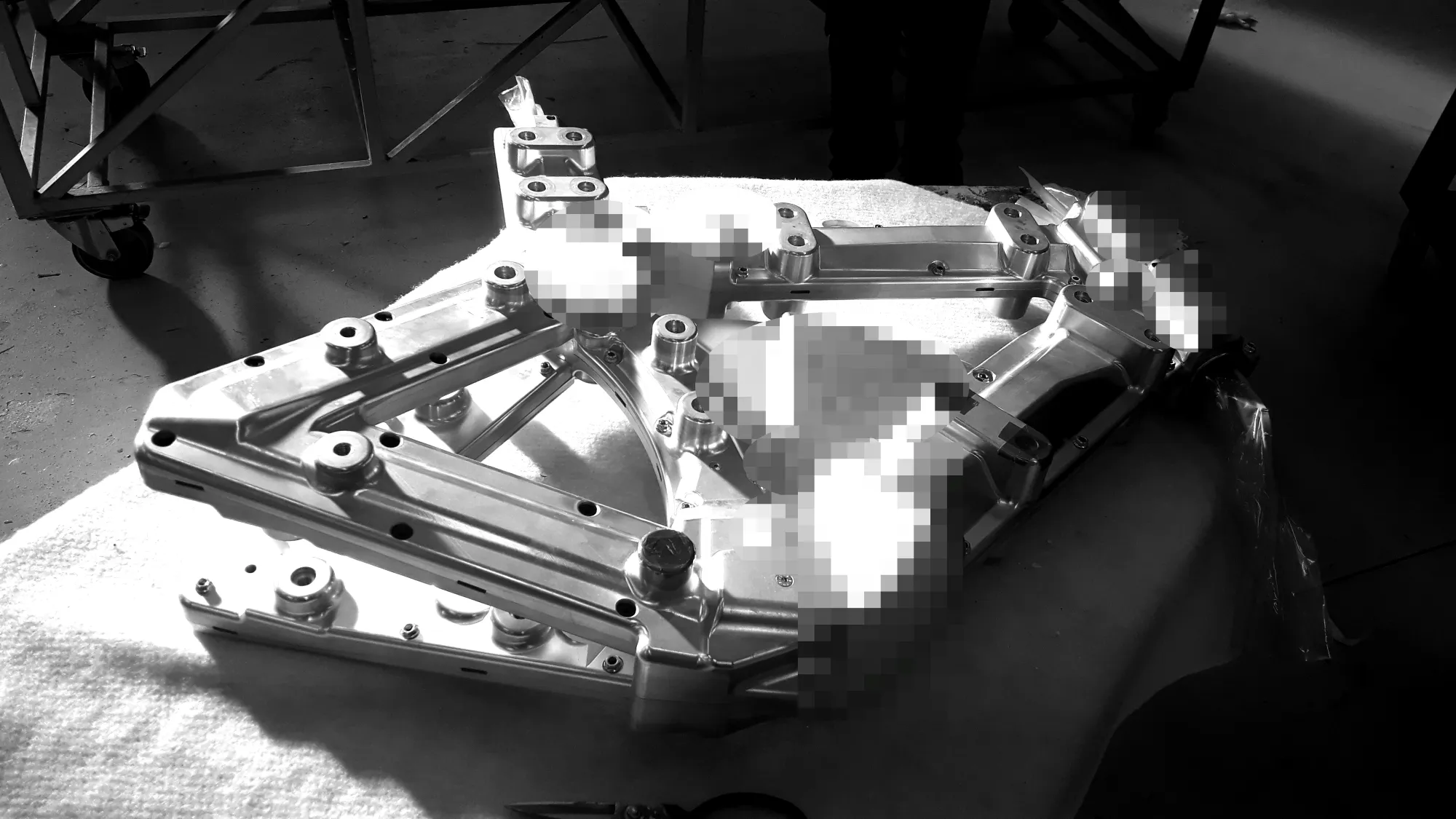
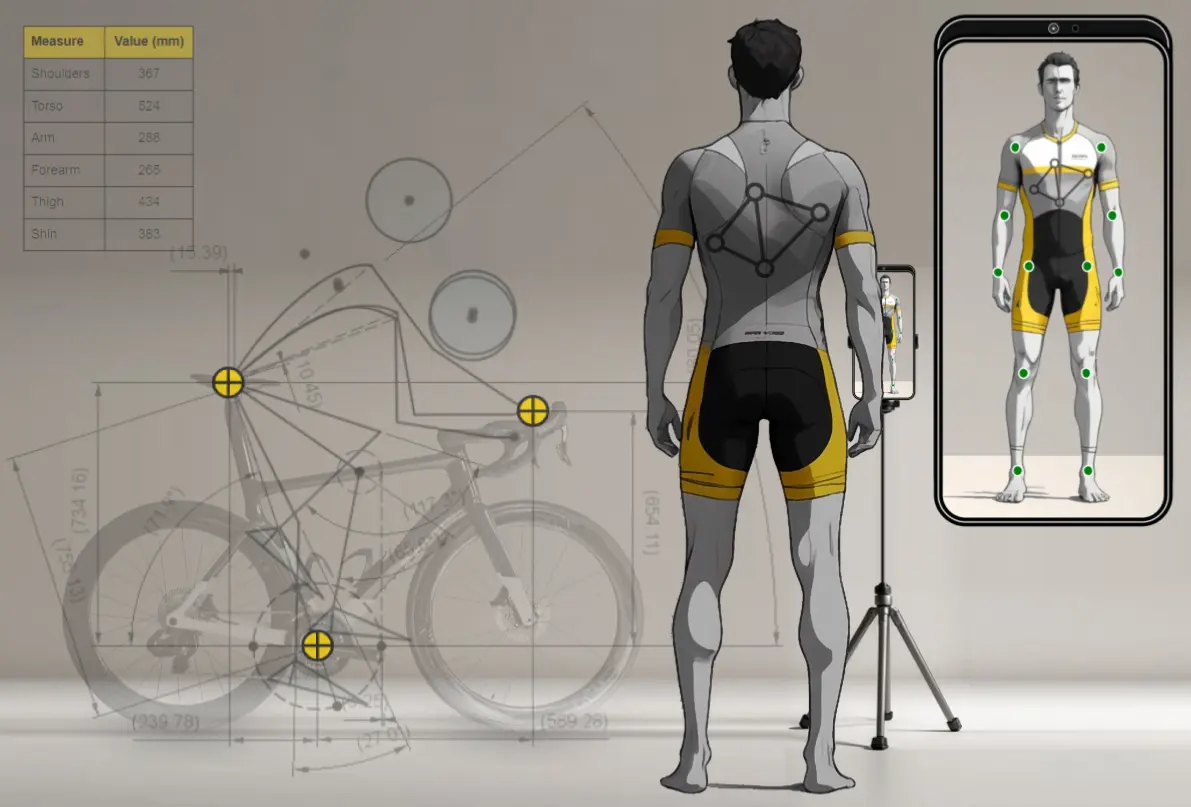
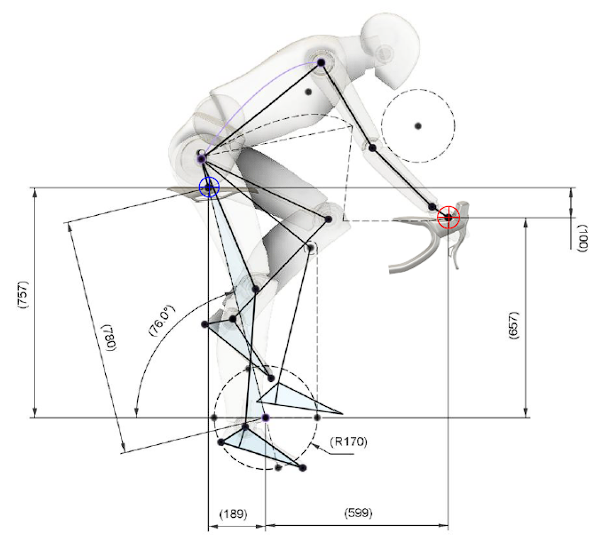
The standard sizing approach is built on the belief that human body proportions are fixed once height is established. However, just as height varies across a population following a statistical distribution, limb proportions are equally subject to variability. Furthermore, individual flexibility, physiological history, and specific biomechanical parameters directly impact an ideal cycling position. Last but not least, saddle contact — a core aspect of riding comfort and performance — depends on the pelvis, one of the most variable bone in the human body in both size and shape.
From our perspective, it is simply not credible that 8 billion people can be reduced to a handful of standard frame sizes. Certainly not 3 or 5 sizes, but probably not even 15 or 20 are enough for a truly optimal fit.
Individuality cannot be left out of the equation. Unless you are among the lucky few with the exact proportions of a professional rider, you will struggle to find a perfect riding position on a standard frame. Attempting to compensate by swapping components (which are also standard-sized) or, even worse, forcing your body to adapt, significantly increases the risk of injury. This holds true for more than 50% of cyclists—and the disparity is even more critical at the extremes of height distribution, where the shortest and tallest riders are effectively condemned to compromised rides on standard frames.

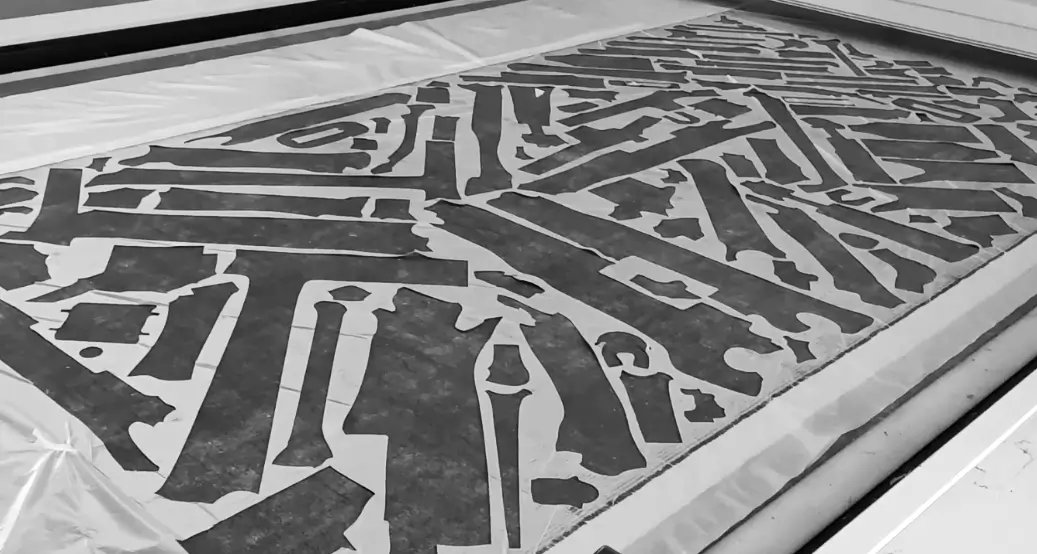
Carbon fiber behaves like an extraordinarily high-tech fabric woven from microscopic cables, which have unbelievable mechanical properties only along the fiber direction. For this reason carbon composite performance relies entirely on fiber orientation and load-path continuity.
Conventional tube-to-tube or co-moulding manufacturing interrupts these load paths at the junctions, forcing mechanical stress to “jump” across epoxy adhesive layers or superficial outer wraps. This structural discontinuity demands surplus material and unnecessary mass to prevent joint failure.
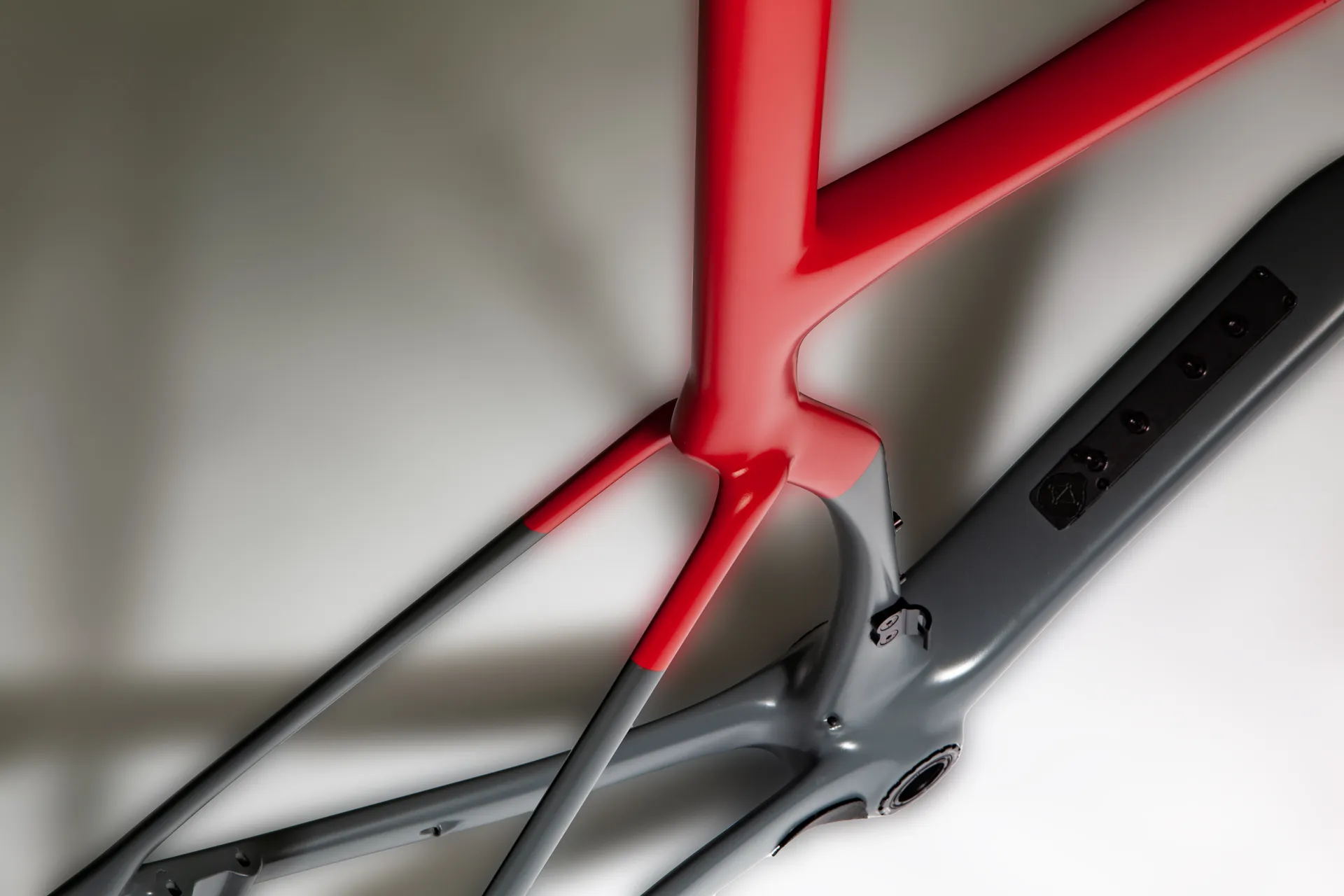
Monocoque manufacturing uses strategic ply overlap sequences. Rather than stopping at structural boundaries, individual carbon plies interlock across adjacent frame zones. Stress vectors are smoothly transferred through direct fiber interaction, delivering uncompromised structural integrity from the head tube to the rear dropouts.
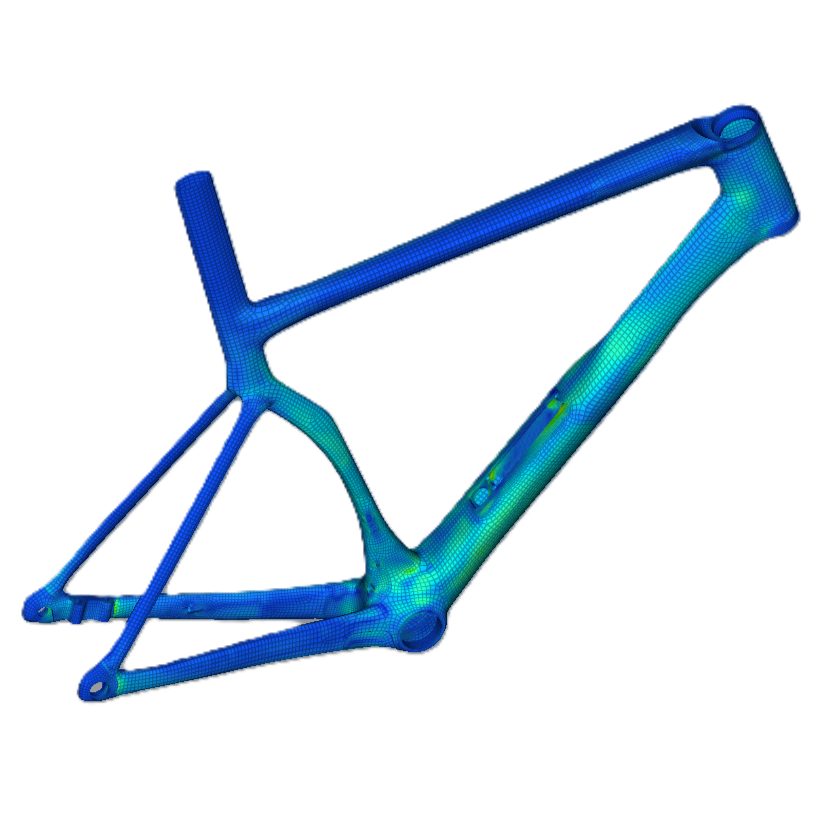
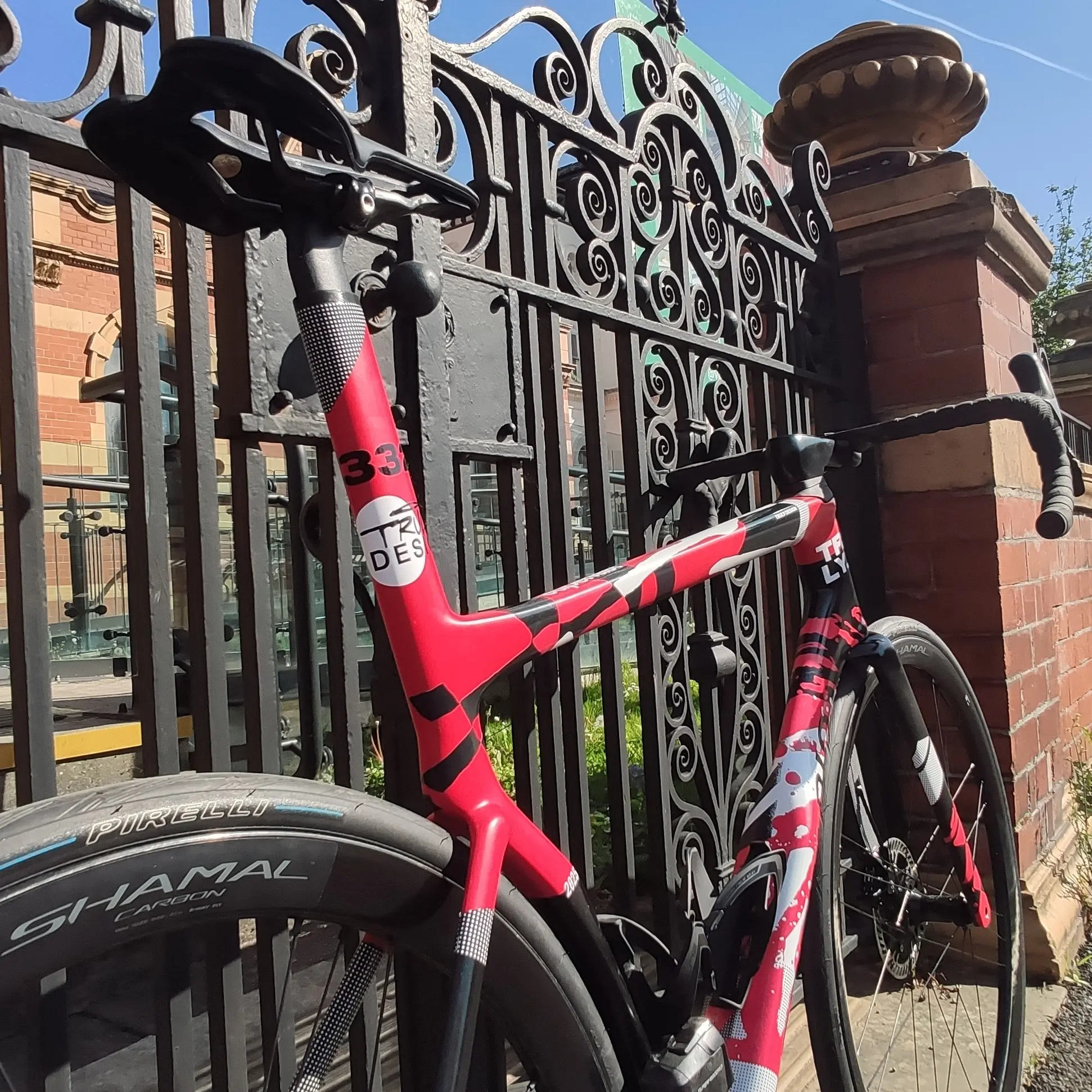
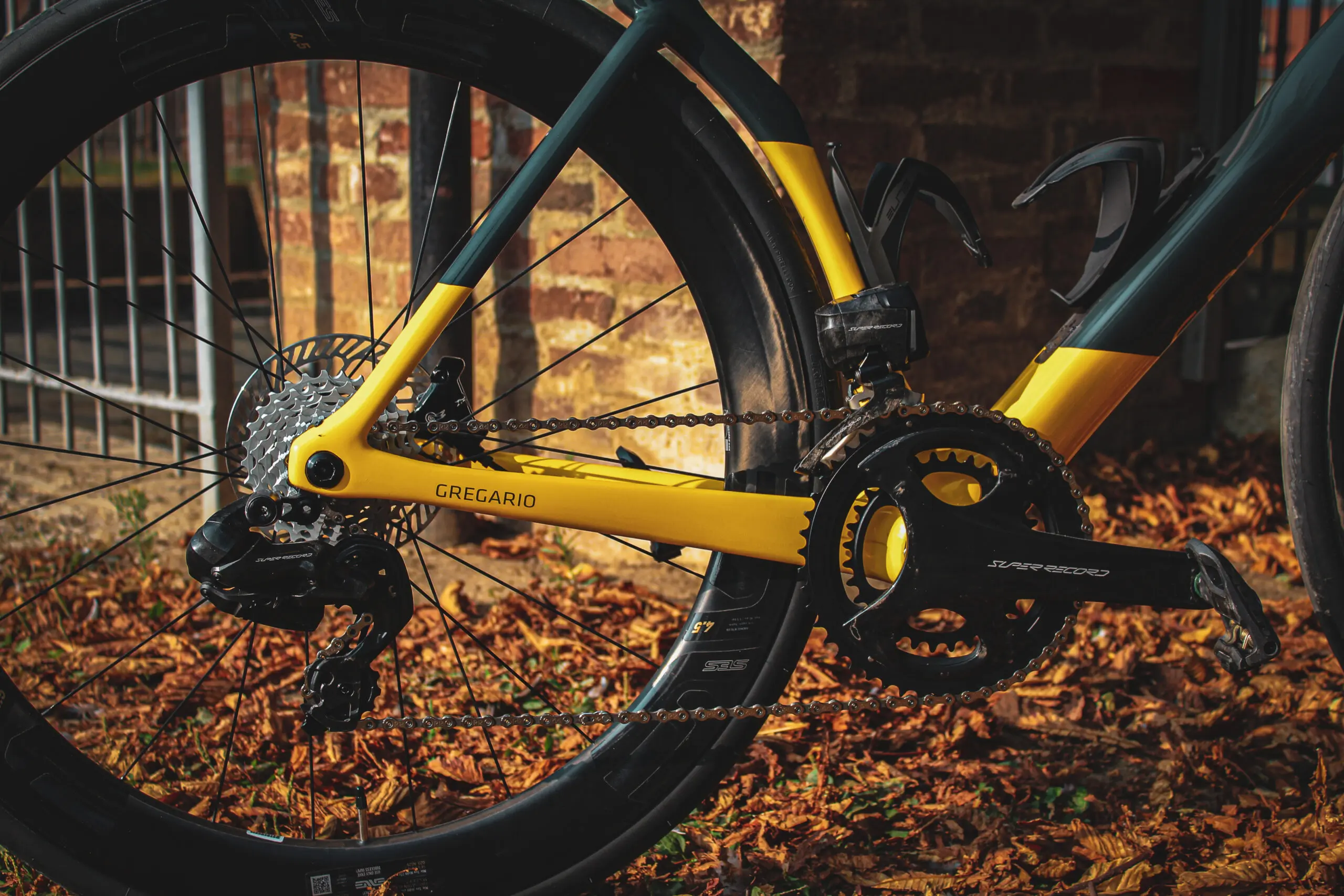
A partial monocoque limited to the front triangle remains a compromised structural system. Affixing a separate rear stay assembly via secondary adhesive bonding restores the exact structural discontinuity that monocoque manufacturing seeks to eliminate. This creates a shear-stressed boundary precisely where pedal-torque vectors and road impact forces converge.
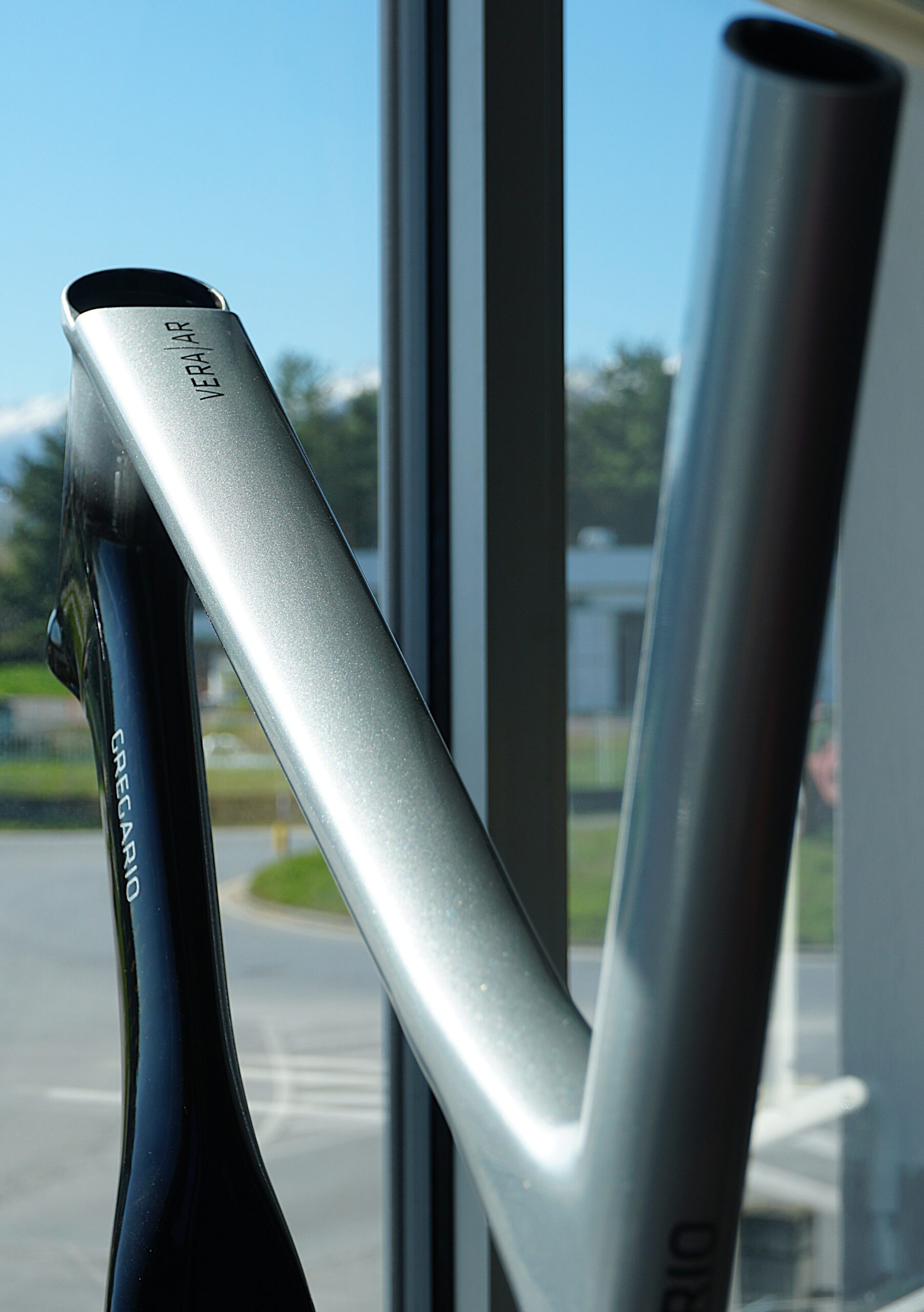
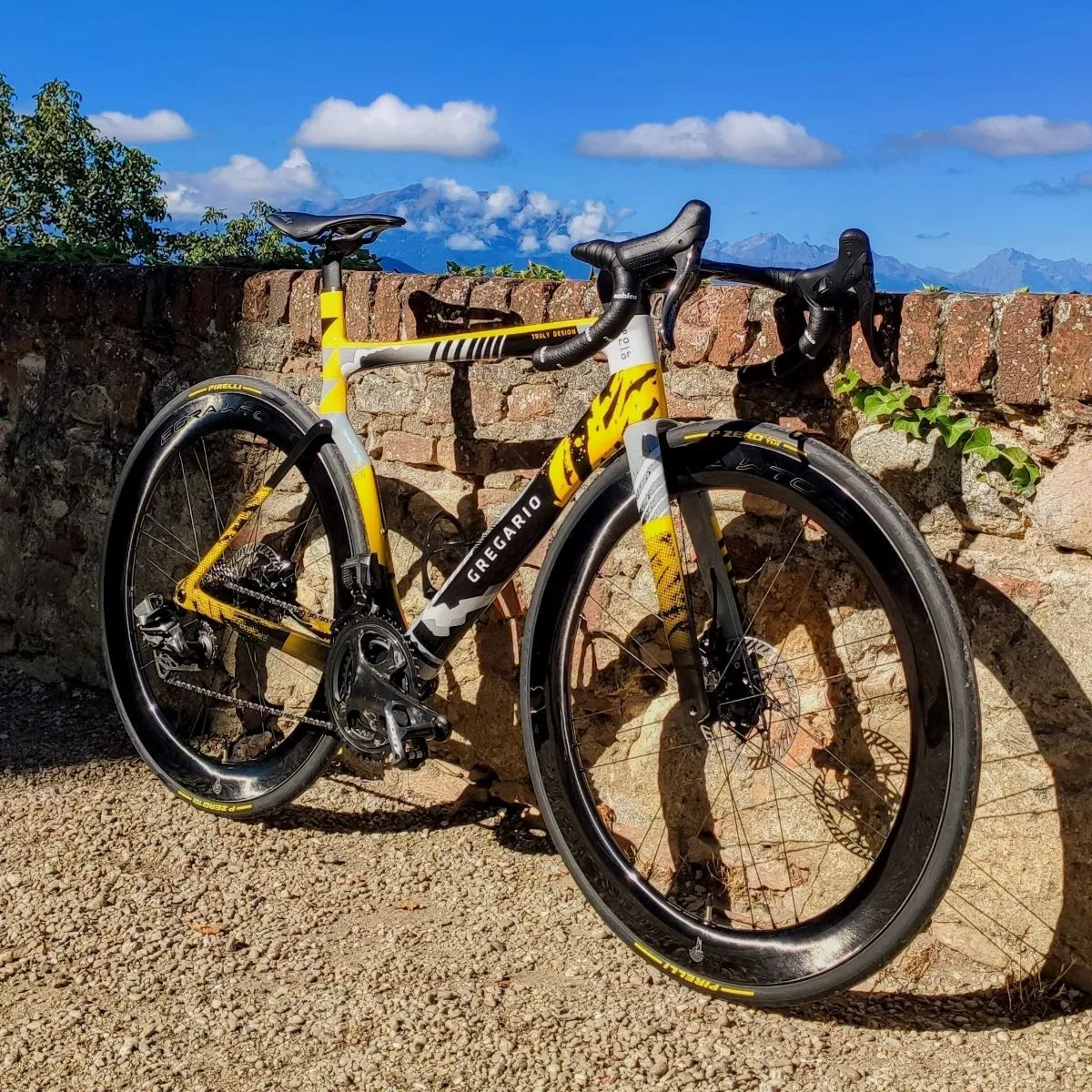
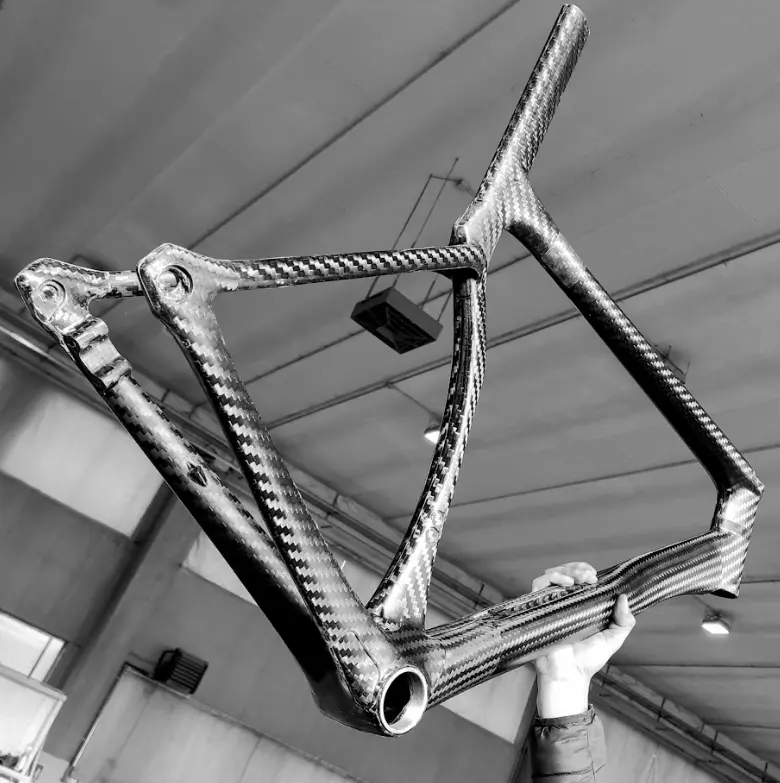
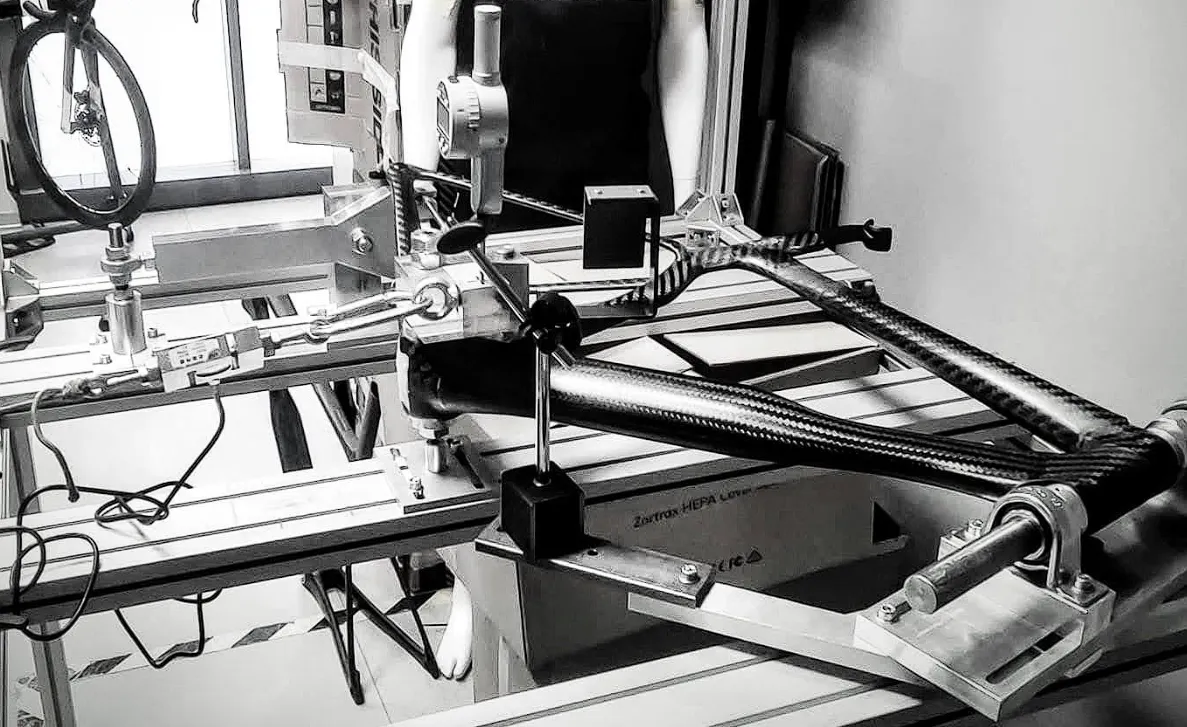
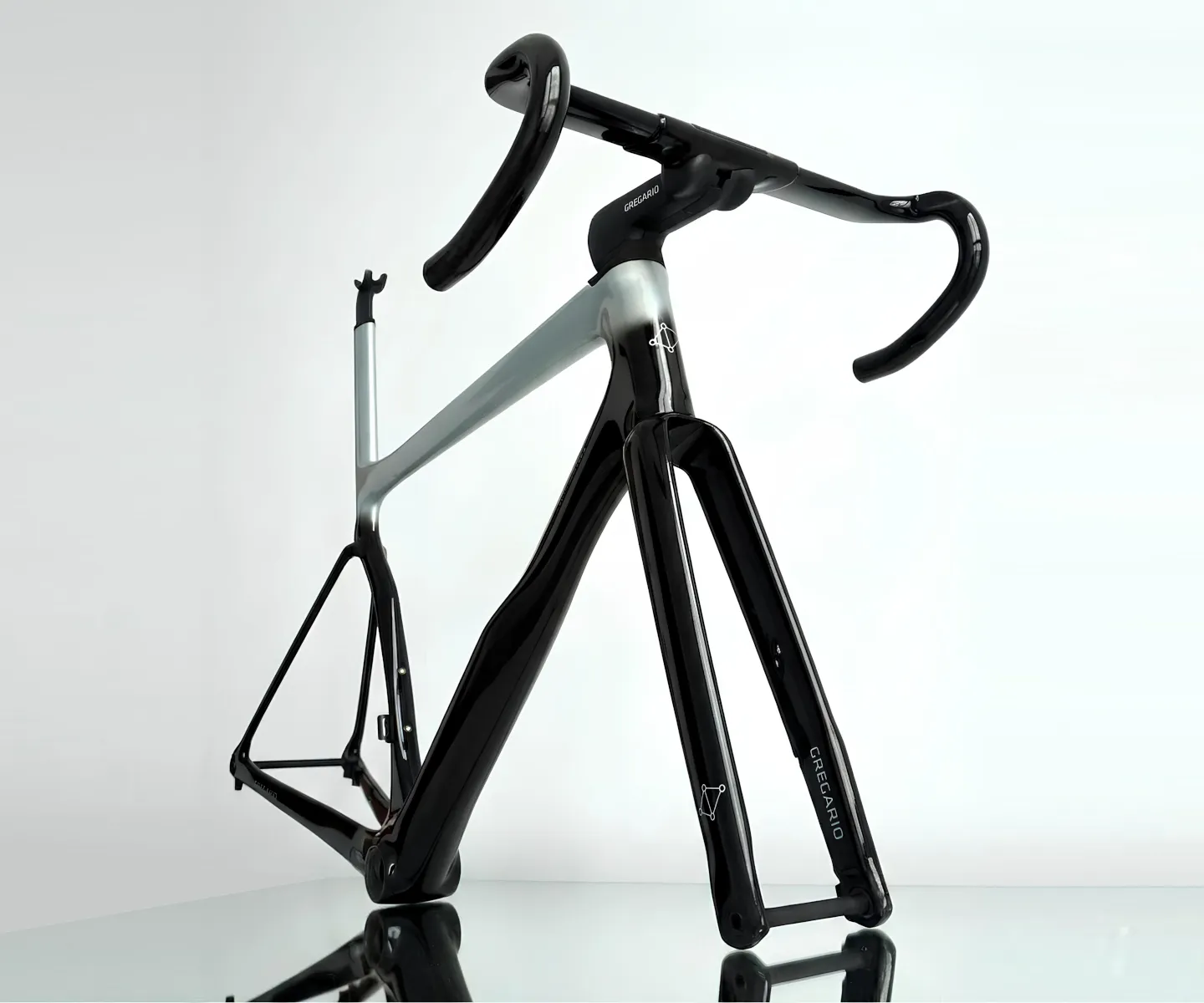
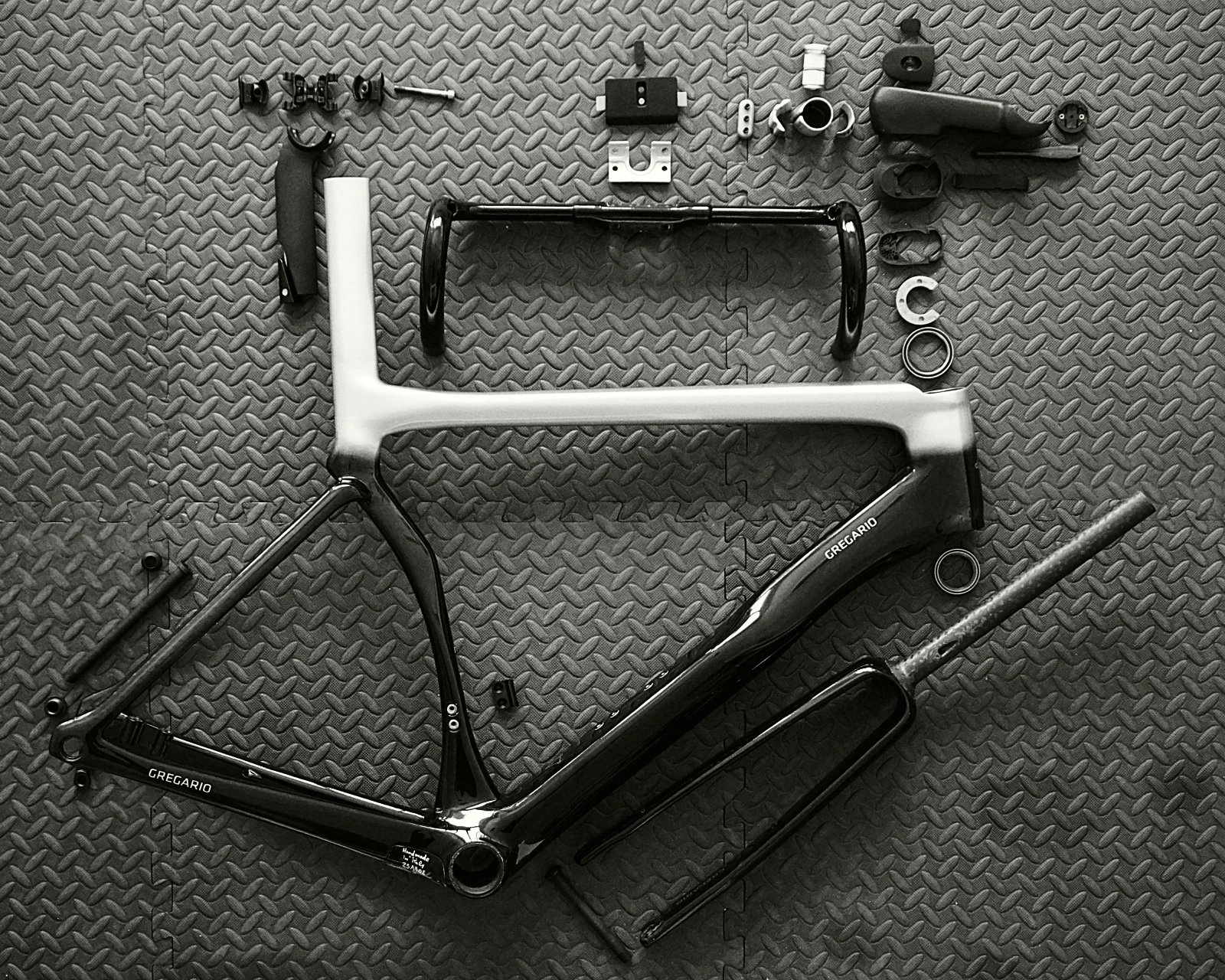
VERA resolves this through an unbroken, single-lamination monocoque structure. By curing the entire frame in a single autoclave polymerization process, we achieve a structural continuity which is beyond any standard. The result is uncompromised torsional rigidity under power transfer coupled with engineered vibrational dampening across the rear triangle.

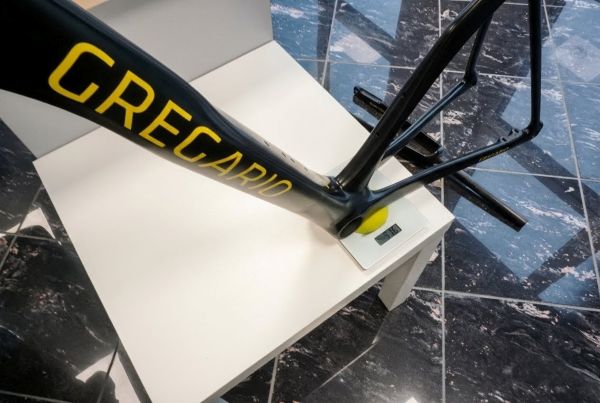
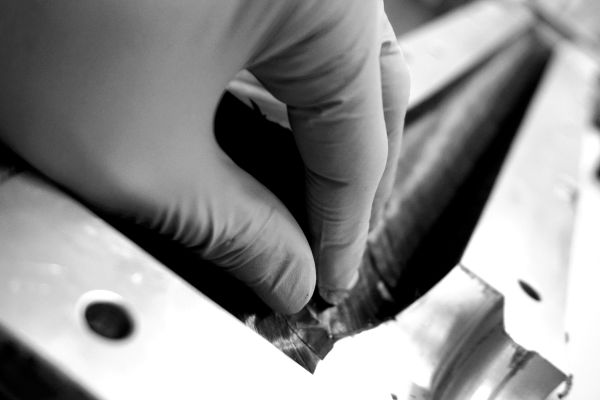
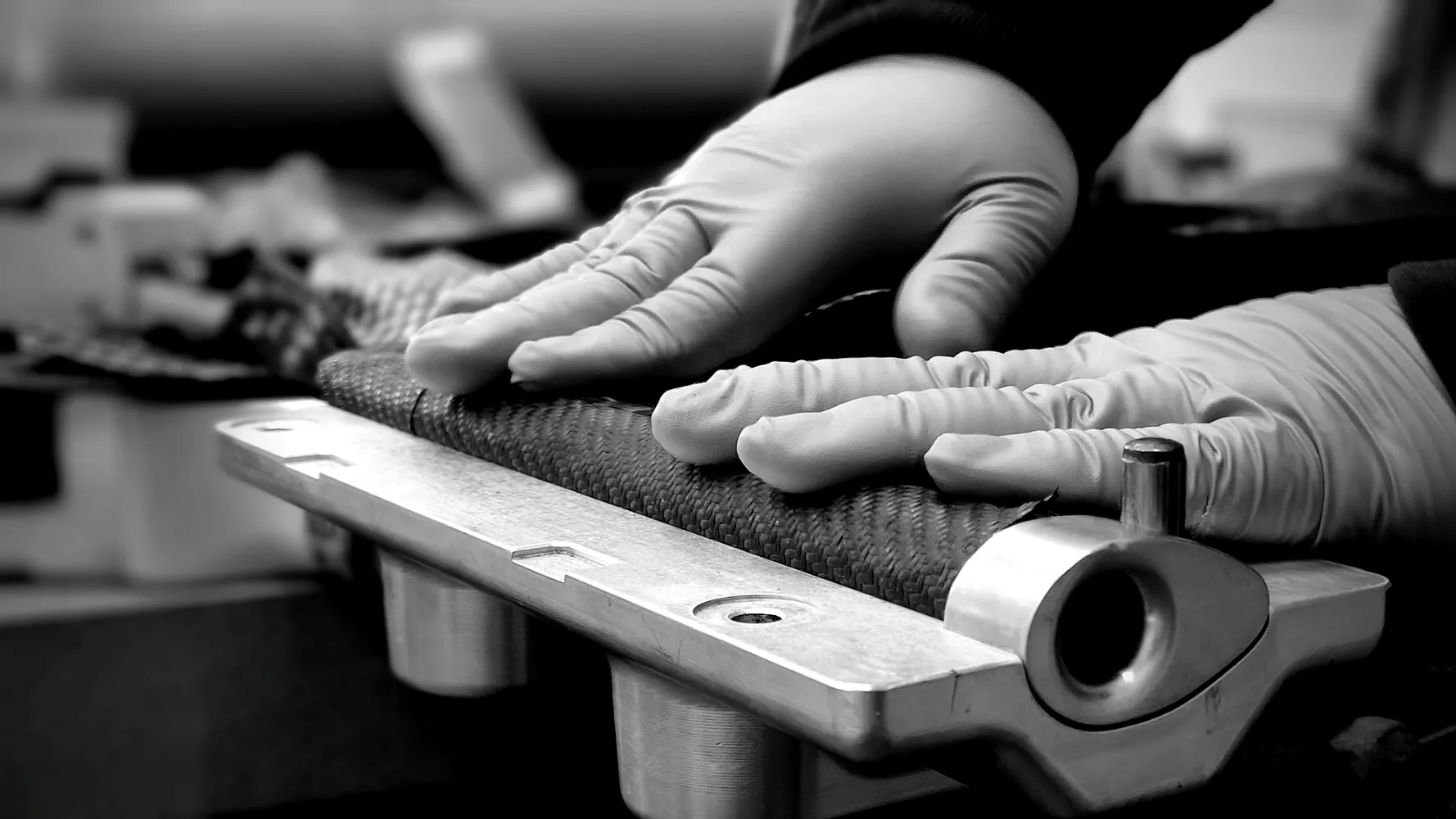
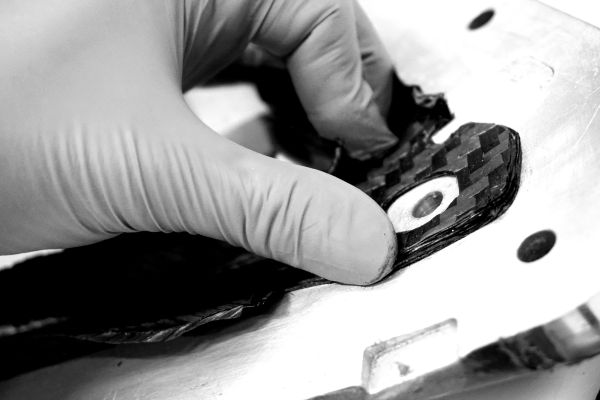
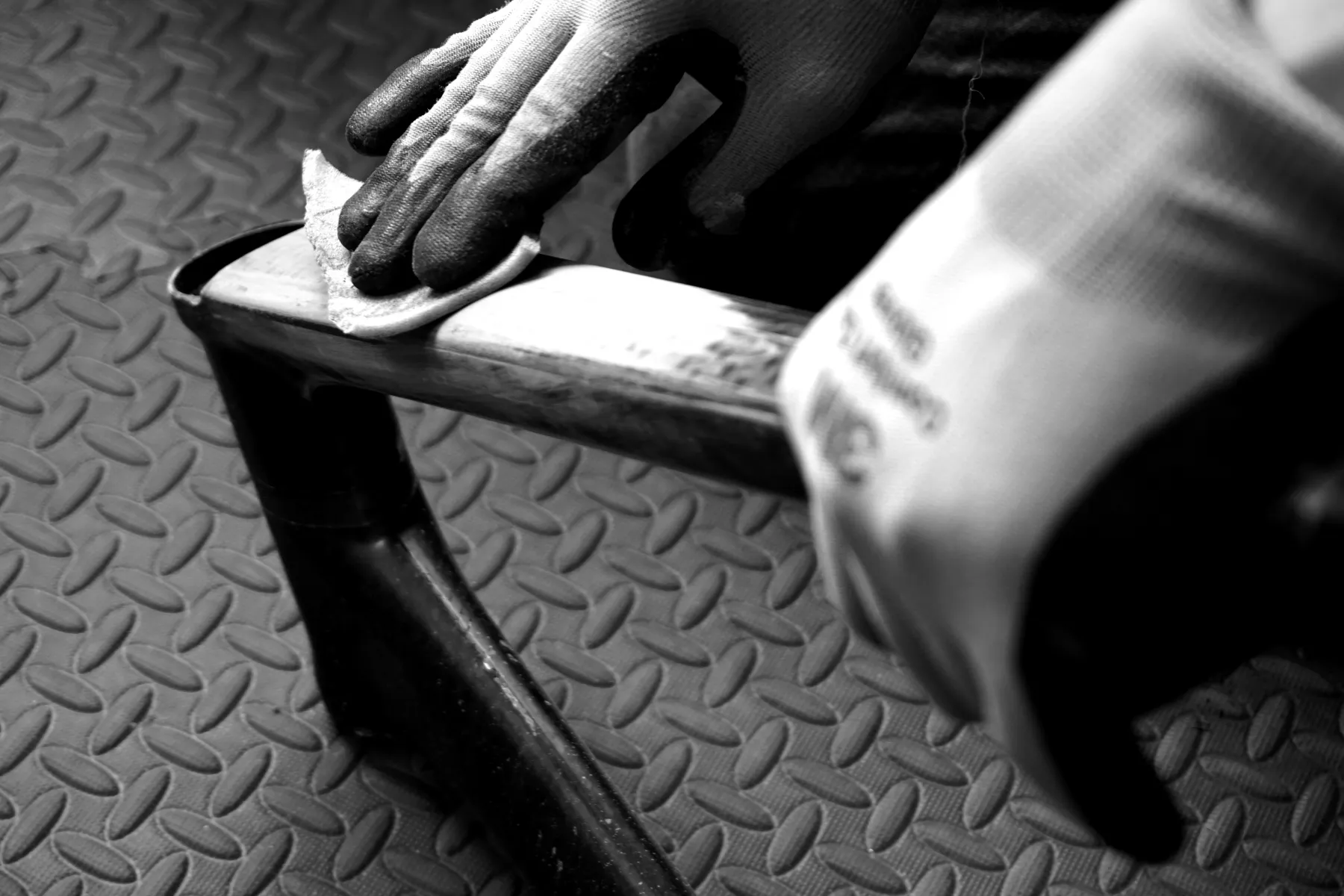
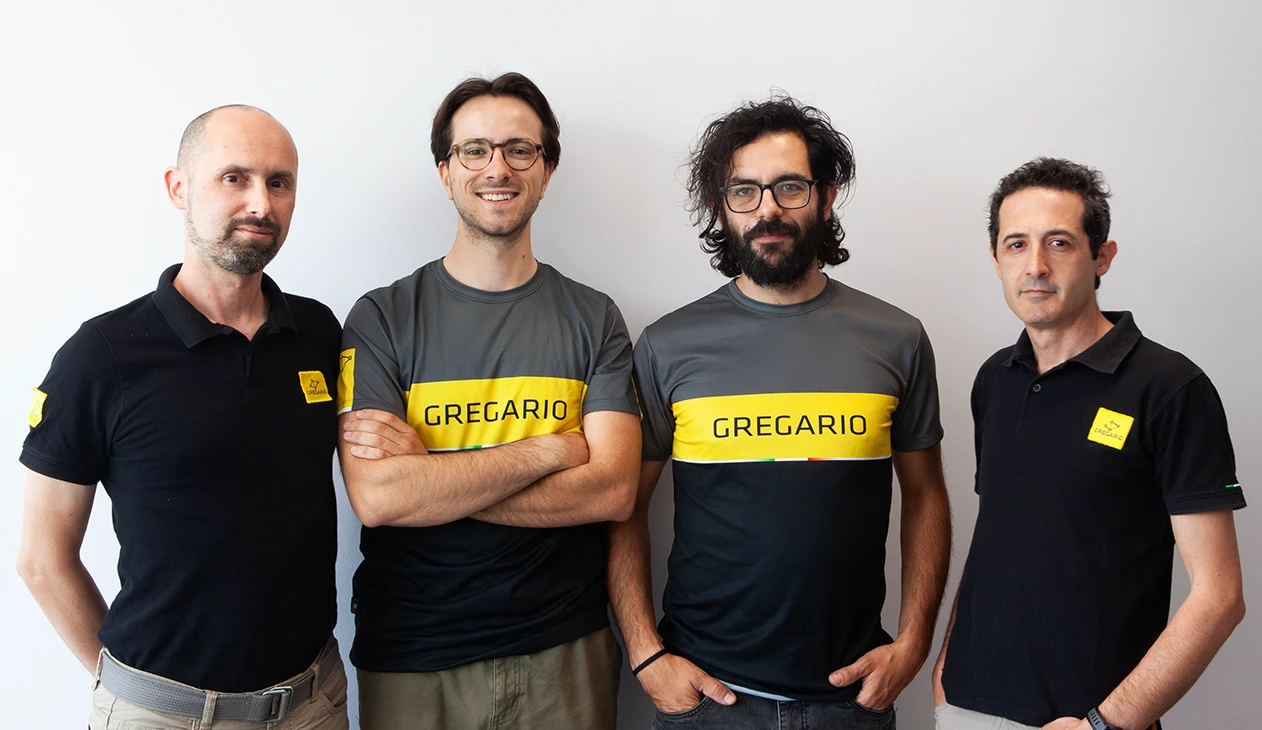
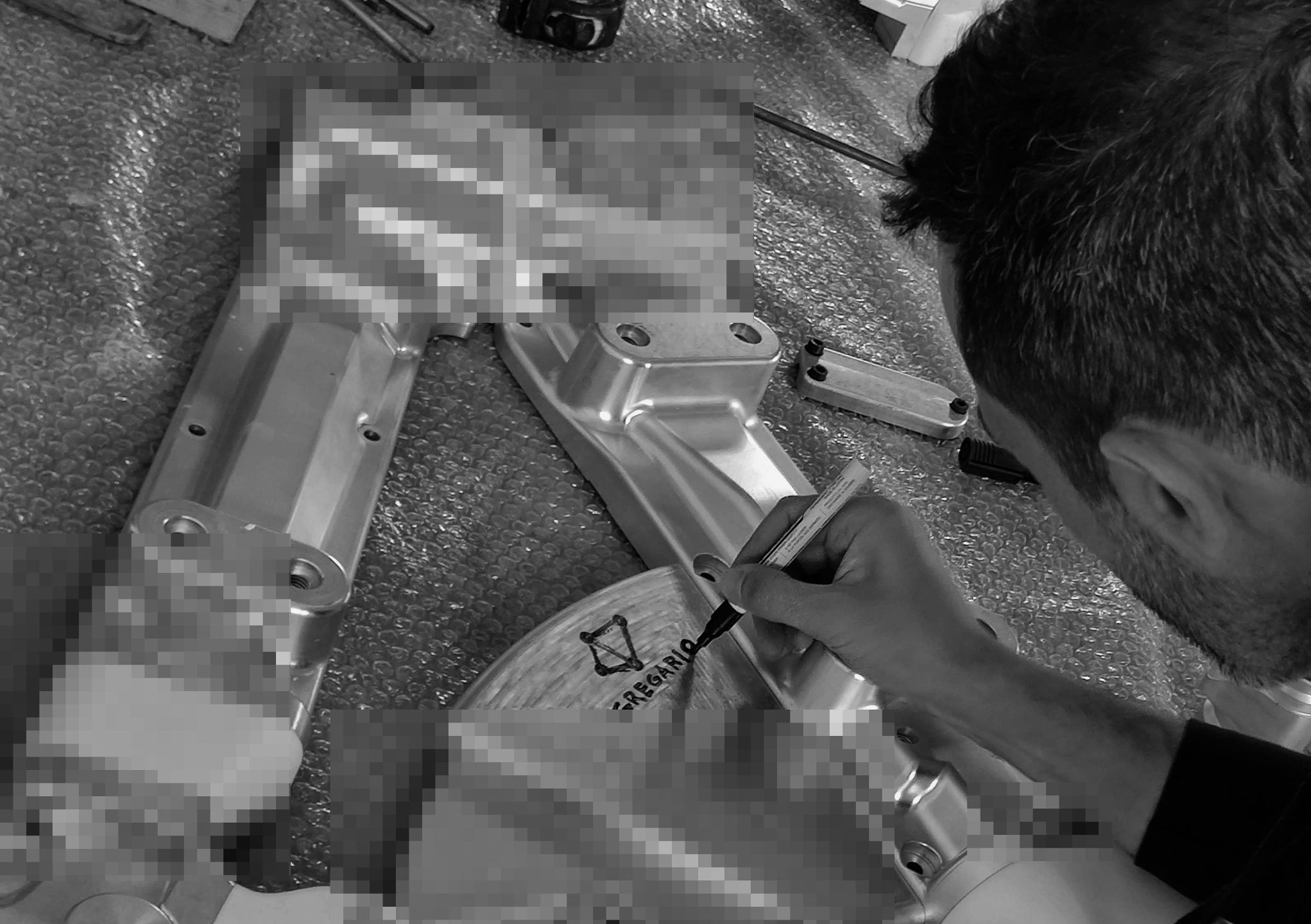
We put our hearts, minds, and hands into everything we do. Conception, design, engineering, and production all take place proudly in Mondovì (Cuneo) by the Gregario team. Only in this way can we guarantee the highest quality, born from a mix of passion, experience, and total dedication.
Each Gregario frame is the result of complete control over the composite production chain, where precision structural calculations meet the excellence of local manufacturing. We transform carbon fiber into a unique geometry, designed and layered exclusively in our laboratory in Piedmont, Italy.